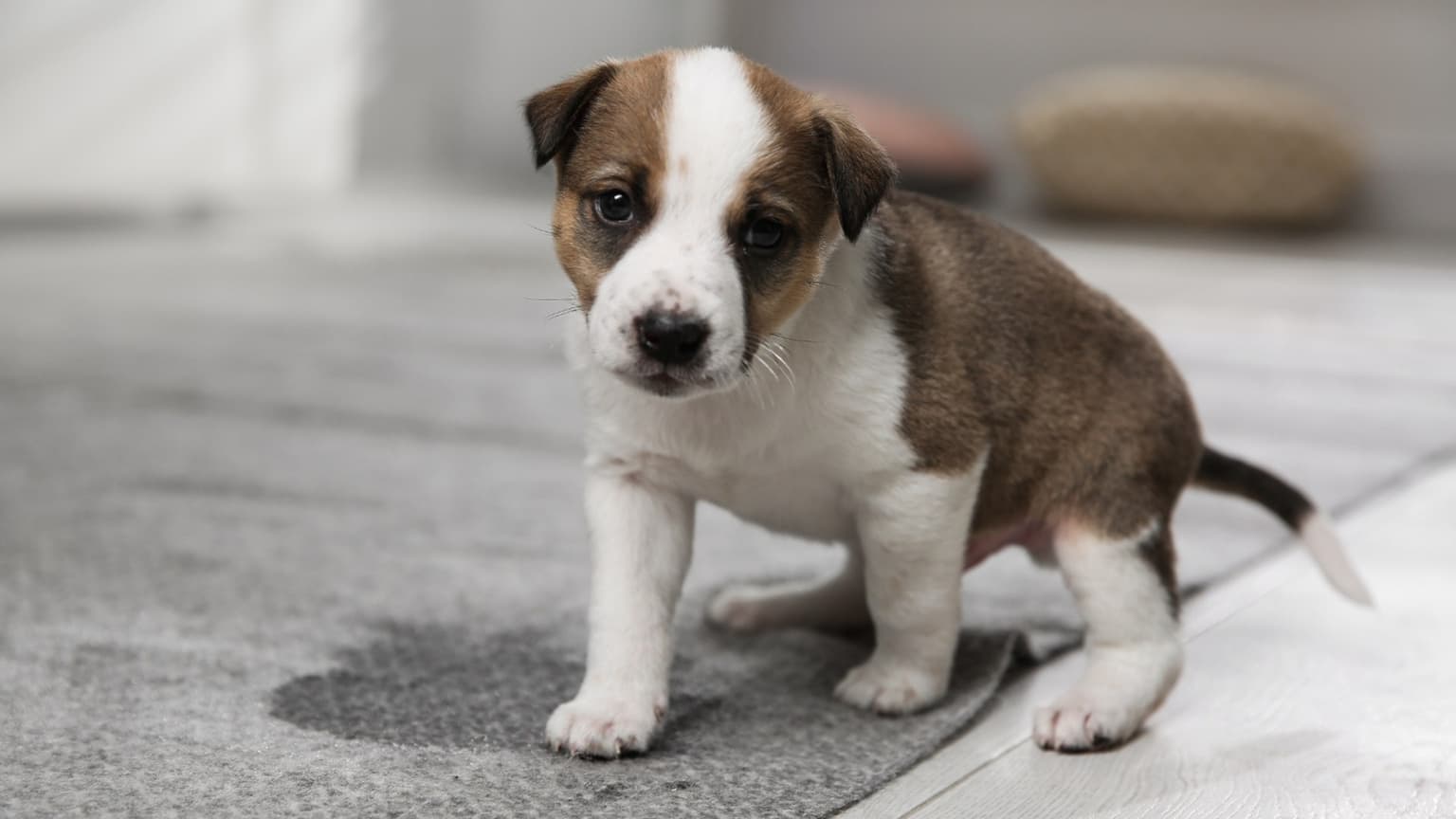
There is a particular phone call we get every summer, usually in the first genuinely thick week of Gulf humidity. The caller cleaned up a pet accident months ago, back in the winter, and was sure it was handled. The spot looked fine. The house smelled fine. Then the air conditioner started running eighteen hours a day, the humidity off Lake Ray Hubbard crept indoors anyway, and one evening the smell walked back into the living room like it had never left.
Nothing mysterious happened. Dried urine leaves behind crystallized salts deep in the carpet backing and pad, and those salts are hygroscopic, meaning they drink moisture straight out of humid air. Dry air keeps them dormant and odorless. Muggy air reactivates them, and North Texas supplies muggy air on schedule from late spring onward. The surface cleanup months earlier removed the part of the accident that was reachable with a paper towel and a spray bottle. The part that soaked downward stayed, waited, and reported back in June. Safe-Dry® Carpet Cleaning of Garland removes that buried part, which is the only version of this job that actually ends it.
Why did the smell come back if the spot looks clean?
Because a urine deposit is shaped like an iceberg. What lands on the carpet surface spreads downward and outward as it soaks, so the contamination in the pad is routinely two or three times wider than the stain anyone saw. Consumer products, even good enzyme sprays, only wet the top of that column. The salts and bacteria below carry on untouched, generating odor whenever humidity gives them the means, and inviting the dog back to refresh a spot only it can smell.
Some home remedies actively lose ground. Fragranced sprays stack perfume on top of the problem. Detergent-based cleaners leave films that react with the residue and create a new odor of their own. Ammonia products smell like urine to an animal and mark the spot as approved. Meanwhile the biological load in the pad keeps growing, and in a household with allergies or asthma that is not a neutral development.
Finding every deposit with UV light
The first thing our technician does on an odor job is turn the lights off. Dried urine fluoresces under ultraviolet, so a UV sweep of the room shows the full historical record on the floor: the accident you knew about, the ones that happened while everyone was at work, and sometimes deposits left by an animal that lived there before you did. We map each one, and we sweep areas that look perfect under normal light, because the whole failure of DIY treatment is working only on the spots you can see.
Walking that map with the homeowner is often the turning point of the visit. People discover their problem is four spots, not one, and suddenly the pattern of a smell that seemed to float around the room makes sense. In homes backing the Duck Creek greenbelt, where the dogs live outside half the day and track through constantly, that map can get detailed. Better to know than to treat blind.
Treating down to the pad
With the deposits located, the treatment works layer by layer. Subsurface extraction pulls urine residue, bacteria, and trapped moisture up out of the pad and backing, reaching the depth the contamination actually occupies. Live enzyme solutions then digest the remaining proteins and organic compounds, and they keep working for days after we leave, finishing the job below the surface. Visible discoloration gets a bleach-free oxidizing treatment to lift the stain itself. Finally a soap-free carbonating pass cleans the surrounding carpet so the treated areas blend in instead of standing out as clean circles on a dull floor.
Everything applied is non-toxic, hypoallergenic, and fine for the same pets and kids who caused the workload; the house stays occupied throughout. Moisture stays minimal at every stage, the floor is typically dry within an hour of completion, and no soapy residue remains to attract new soil, so the cleaned areas hold their appearance up to four times longer than a shampooed patch would. You approve one flat price after the UV inspection and before treatment begins.
And the part that matters most on this particular service: our pet odor treatments carry a 14-day guarantee. If the smell resurfaces within two weeks, we come back and re-treat. We can offer that because the method removes the source, and close to thirty years of brand history with this exact problem says the source, once gone, stays gone.
Beyond pet accidents
Pet urine is the headline act, but it is not the only thing that soaks into carpet and refuses to leave on request. The same detection and treatment toolkit handles the broader stain catalog, and in severe cases where contamination has reached the subfloor itself, the technician will show you exactly what the inspection found and lay out the realistic options before anything is decided:
- Cat and dog urine, recent or years old
- Vomit and other biological accidents
- Mildew and musty odors
- Smoke odor in carpet
- Coffee, wine, juice, and food coloring
- Grease, oil, and tracked-in tar
- Ink, makeup, and mystery spots with no known origin
If the whole house needs attention beyond the problem areas, a full carpet cleaning on the same visit is the efficient move, and the antibacterial sanitizer makes a thorough follow-up where contamination was heavy. Accidents on a loose rug route through our area rug cleaning service instead. Our certified, insured technicians handle all of it under the same 100% satisfaction guarantee that covers every Safe-Dry job.
Frequently asked questions
Is the odor really gone for good, or just suppressed? Gone, because the crystallized residue generating it is physically removed and enzymatically digested. Suppression is what the fragranced sprays were doing. The 14-day guarantee on pet odor treatments exists so you are not taking our word for it.
My carpet looks spotless but smells on humid days. Is it worth calling? That is the classic profile of subsurface contamination, and yes. The UV inspection will show what is under the surface, and you will know the scope before you commit to anything.
Can a stain that is years old still come out? Frequently. Age matters less than depth and fiber type. Set-in and oxidized stains respond to the oxidizing treatment more often than homeowners expect, and if something is truly permanent, the technician says so during the inspection, not after the invoice.
How long does the appointment take? Most visits run between one and two hours, driven mainly by how many spots the UV sweep turns up. Add roughly an hour of drying and the room is fully back in use.
Do you handle urgent situations? Yes. Fresh accidents are far easier to stop before they soak and set, so call 469-596-7201 when it happens and we will get you the earliest slot available, with booking open 24/7.
Stop cleaning the same spot twice
Book online at schedule online or call 469-596-7201. We run Garland plus Mesquite, Rowlett, Sachse, Wylie, Murphy, and Rockwall, detailed on the service areas page, with current offers on coupons.
For homeowners who want the full science, our national resource on pet urine removal digs into how urine behaves in carpet, rugs, and furniture, and what actually works against it.